
Gippsland summers are made for swimming, but the season can feel short. Cool nights, crisp mornings and changeable spring and autumn weather all pull the water temperature down. Pool heating is how many Gippsland families stretch their swimming season from a few months into most of the year.
There are three main ways to heat a pool: a heat pump, solar heating or a gas heater. Each suits a different way of using the pool, and the right choice depends on when you want to swim, how warm you like the water and how you want to run it.
Here's how they compare, and what to think about before you choose.
Why Heating Makes Sense in Gippsland
Fibreglass pools are a great fit for Gippsland's climate, as we cover in our guide to why fibreglass pools suit Gippsland. Heating takes that further. With the right system, you can:
- Start swimming earlier in spring and keep going later into autumn
- Enjoy evening swims after the sun has gone down
- Keep a spa or plunge pool warm enough to use through the cooler months
- Get more value out of your pool across the whole year
Plan Heating With Your Pool
Heating is easiest to plan when the pool is designed, so the equipment location, plumbing and power supply are worked out from the start. It's one of the options we can talk through when you choose your pool.
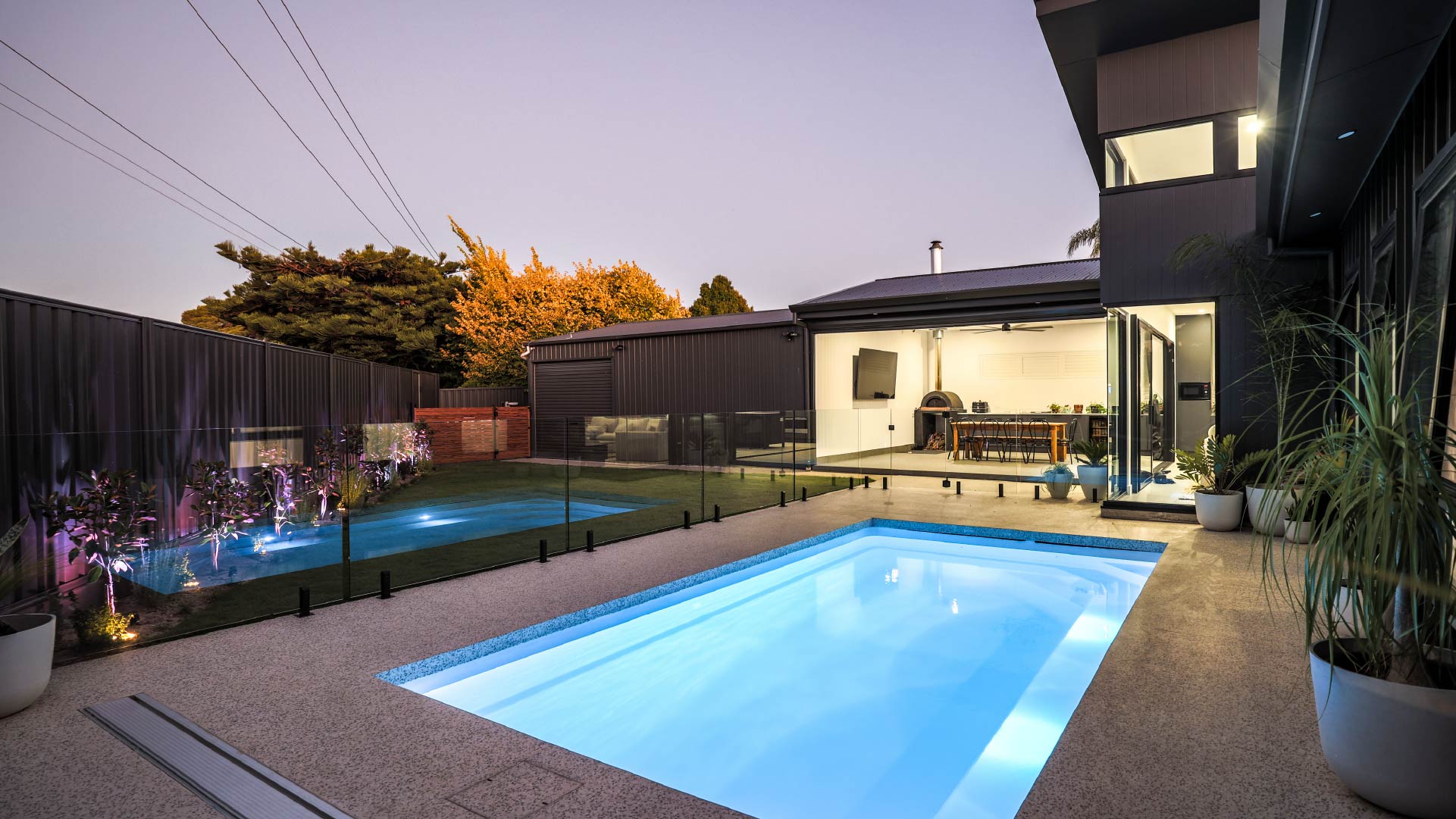
The Three Main Heating Options
Each system heats the water in a different way. Here's a quick overview:
Heat Pump
Draws warmth from the surrounding air and transfers it to the pool water using electricity. Runs efficiently and steadily, making it a popular all-round choice.
Solar Heating
Pumps pool water through collectors, usually on the roof, where the sun warms it. Very low running costs, but it depends on sunshine and roof space.
Gas Heater
Heats water quickly whatever the weather. Well suited to spas and pools used on demand, though running costs are usually higher.
Which Option Suits You?
The best system depends on how you plan to use your pool:
You Swim Most Days
A heat pump keeps the water at a steady temperature day after day, which suits families who swim often across a long season.
You Want Low Running Costs
Solar uses free energy from the sun. It works best with plenty of well-placed roof space and is often paired with a cover.
You Want Heat Fast
Gas suits spas and pools you warm up only when you plan to use them, rather than keeping hot all the time.
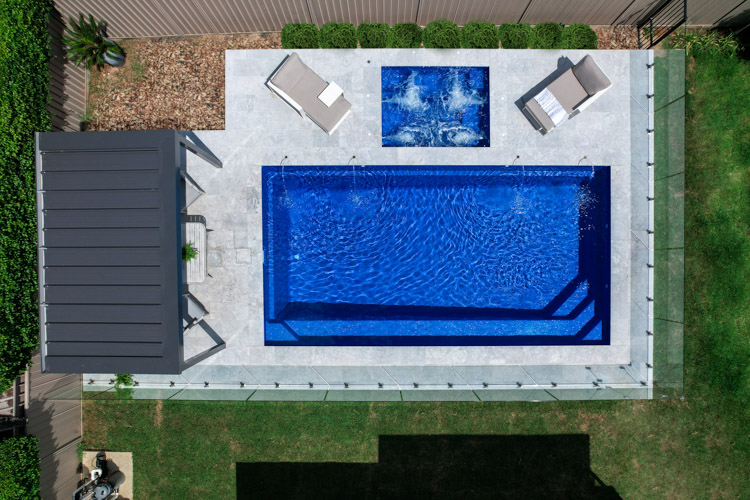
Don't Forget a Pool Cover
Whichever heater you choose, a pool cover is one of the simplest ways to make it work better. A large share of a pool's heat is lost from the water surface, especially on cool, clear Gippsland nights. A cover helps hold that warmth in, cuts evaporation and keeps leaves and debris out.
Get More From Your Heating
Use a cover whenever the pool isn't in use, run the heater with a timer or controller so it works when you need it, and choose a sensible temperature rather than heating more than you need.
Things to Weigh Up Before You Choose
Your Swim Season
Do you want to extend summer by a few weeks, or swim through most of the year?
Space and Roof
Where will the equipment sit, and do you have suitable roof space for solar collectors?
Running Costs
Compare upfront cost against what each system will cost to run the way you'll use it. See our fibreglass pool costs guide.
Frequently Asked Questions
What is the best way to heat a pool in Gippsland?
There's no single best option. Heat pumps suit regular swimmers who want a steady temperature, solar suits those focused on low running costs, and gas suits spas or pools heated on demand.
Can I add heating to my pool later?
Often, yes. But it's simpler to plan heating when the pool is designed, so the equipment space, plumbing and power are ready from the start.
Does a pool cover really help?
Yes. A lot of heat escapes from the water surface, so a cover helps keep warmth in, reduces evaporation and keeps the pool cleaner.
Can a spa and pool share a heater?
Sometimes, depending on the system and layout. Spas usually run hotter than pools, so it's worth discussing how both will be heated when you plan.
Want to Swim for More of the Year?
Talk to Aidan about your pool and heating options, and get a free, no-obligation quote. Call 0409 427 106.
Get Your Free QuotePlan a Pool You'll Use All Year
Heating turns a summer pool into one the whole family can enjoy for much of the year, and it's easiest to get right when it's planned with the pool itself.
Clearwater Pools Gippsland installs quality fibreglass pools and spas right across Gippsland and surrounds. Explore our full pool and spa range, or talk to our local Gippsland pool builders about the right heating for your pool.
This article is general information only. Speak with a qualified installer about the right heating system for your pool and home.