
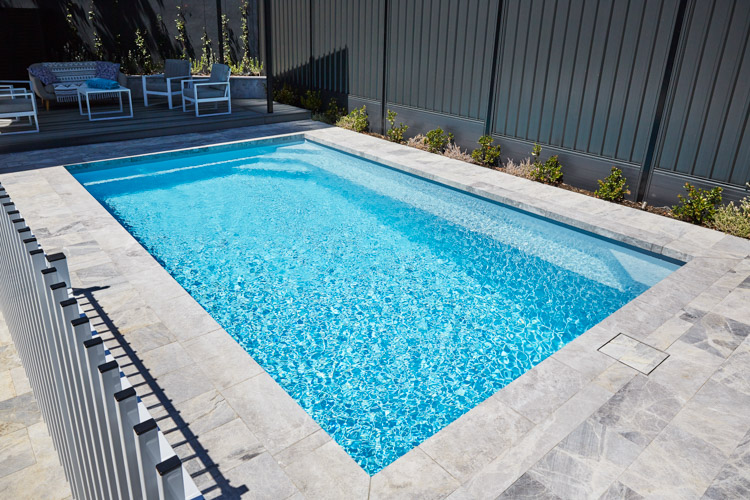
Spring is when a lot of Gippsland families start planning a pool for summer. Choosing the shape, size and colour is the fun part. Pool fencing is the part people tend to leave until last, and it's often what holds a project up.
Victoria has some of the strictest pool safety rules in the country. Every pool and spa needs a compliant safety barrier, it must be registered with your local council, and the barrier has to be inspected and certified on an ongoing basis. These rules apply whether or not children live at the property.
Here's what Gippsland homeowners need to know about pool fence rules in Victoria, and how to plan for them from the start so your new fibreglass pool is ready to swim in sooner.
Victoria's Pool Rules in Brief
Victoria introduced its current pool and spa safety laws in December 2019. In short, if your pool or spa can hold more than 30cm of water, you need to:
- Have a compliant safety barrier. The barrier must meet the Australian Standard that applied when your pool was built, and it must be kept in good working order.
- Register the pool with your council. For a new permanent pool, registration is due within 30 days of your occupancy permit or certificate of final inspection being issued.
- Lodge a certificate of barrier compliance. A registered building surveyor or inspector checks the barrier and issues the certificate, which you lodge with council along with your registration.
- Repeat the inspection every four years. You need a fresh certificate of barrier compliance every four years for as long as you have the pool.
It Applies to Every Pool and Spa
These rules cover in-ground pools, above-ground pools, spas and swim spas alike, and they're enforced by local councils. Failing to lodge a certificate or maintain your barrier can lead to fines.
The Building and Plumbing Commission has the full details, and your council's website will explain its own registration process and fees.
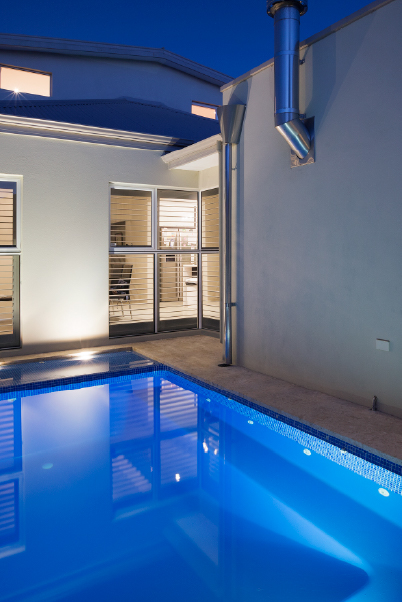
From Building Permit to First Swim
For a new in-ground fibreglass pool, the barrier is part of the building process from day one. Here's how it fits into each stage.
Building Permit
A building permit is needed for the pool and its safety barrier before work starts. The permit plans show where the barrier will go.
Installation
Your pool is excavated, installed and connected, and the surrounding paving or decking is completed.
Barrier Construction
The permanent pool fence goes in, including self-closing and self-latching gates.
Final Inspection
The building surveyor inspects the pool and barrier and, if everything complies, issues the certificate of final inspection and a certificate of barrier compliance.
Register With Council
Lodge your registration and certificate of barrier compliance with your council within 30 days.
Every Four Years
Book a registered inspector to re-check the barrier and lodge a new certificate with council.
Use a Temporary Barrier Until Sign-Off
Until the permanent barrier is complete and signed off, a temporary safety barrier must stop children getting to the pool, including while it's being filled.
Planning the fence alongside the pool layout makes a big difference. Where the gate sits, how close the fence is to garden beds and the house, and what's near the boundary all affect compliance. Sorting these out at the design stage avoids costly changes later. See how we plan each project on our process page.

Common Pool Fence Mistakes That Fail Inspection
Many barriers fail inspection for small, easily fixed issues. These are some of the most common.
Gates That Don't Self-Close
Gates must swing shut and latch on their own from any open position, and should open outwards, away from the pool.
Climbable Objects
Pot plants, chairs, barbecues, retaining walls or tree branches close to the outside of the barrier can give a child a foothold.
Gaps That Are Too Large
Gaps under the fence, between panels or between bars must stay within the standard's limits. Soil and garden beds can wash away and widen gaps over time.
Doors and Windows
A door from the house straight into the pool area isn't acceptable for newer pools, and windows may need restricting.
Wear and Tear
Rusty hinges, loose panels and broken latches all count against you. A barrier that passed four years ago may not pass today.
Check Your Fence Regularly
A quick look around your fence every few months, and before each four-yearly inspection, helps catch these issues early and keeps your family and visitors safe.
The Rules at a Glance
More Than 30cm
Any pool or spa that can hold more than 30cm of water needs a compliant barrier and registration
Within 30 Days
Register a new pool and lodge your certificate of barrier compliance within 30 days of final sign-off
Every 4 Years
A registered inspector re-checks the barrier and you lodge a new certificate with council
Kids or Not
The rules apply to every property with a pool or spa, whether or not children live there
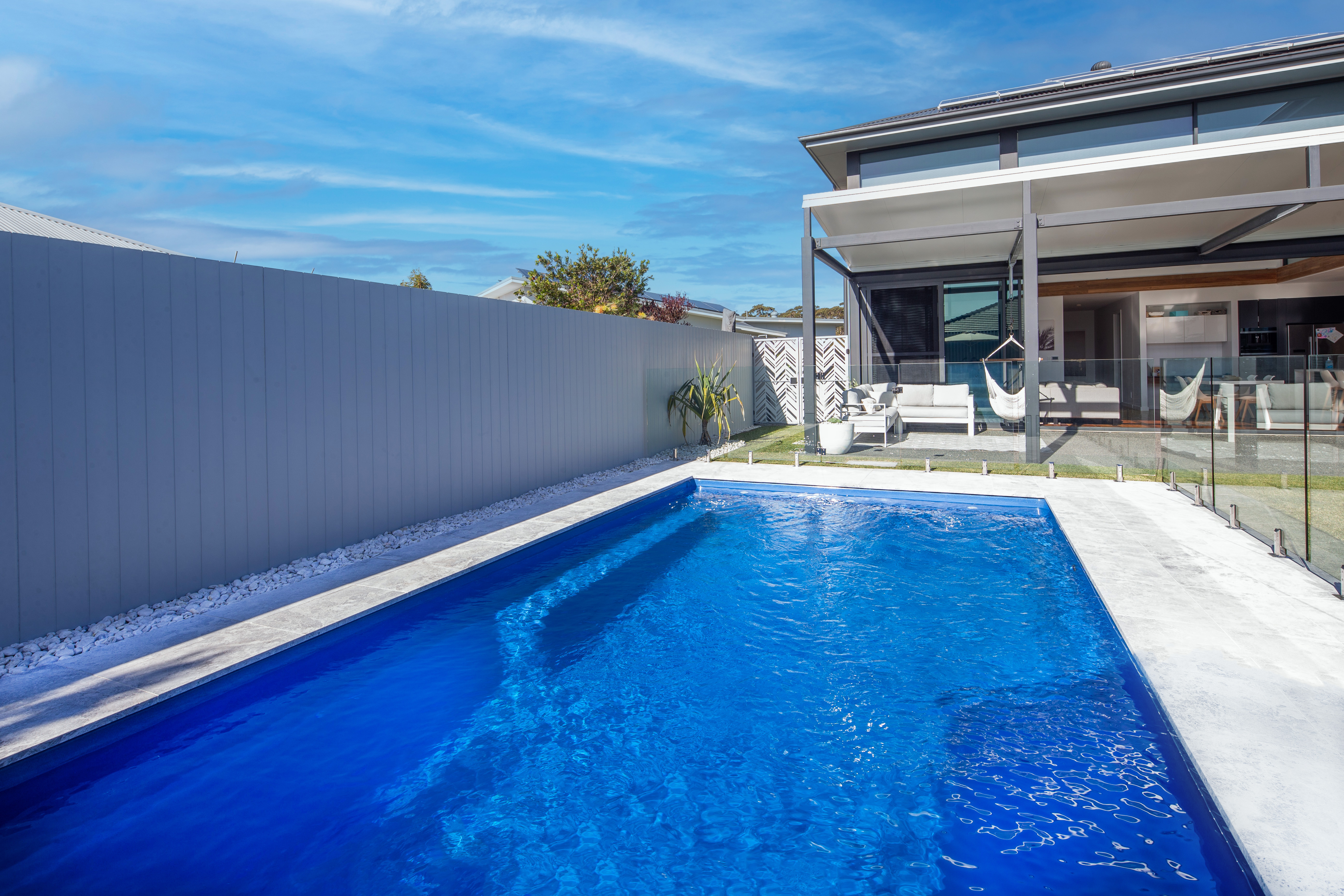
Frequently Asked Questions
Do I need a pool fence if I don't have children?
Yes. In Victoria, every pool and spa that can hold more than 30cm of water needs a compliant safety barrier, regardless of whether children live at the property.
How often does my pool fence need to be inspected?
Every four years. A registered building surveyor or inspector checks the barrier and issues a certificate of barrier compliance, which you lodge with your council.
How long do I have to register a new pool?
For a new permanent pool, you need to register with council and lodge your certificate of barrier compliance within 30 days of the occupancy permit or certificate of final inspection being issued.
Do spas and swim spas need a barrier too?
Yes, if they can hold more than 30cm of water. Some spas can use a lockable lid that meets the requirements instead of a fence, so check with your building surveyor.
Can I fill my pool before the fence is finished?
Only if a compliant temporary barrier is in place. The pool must never be accessible to young children while it holds water.
Planning a Pool Before Summer?
Talk to Aidan about your pool and fencing plans, and get a free, no-obligation quote. Call 0409 427 106.
Get Your Free QuotePlan Your Pool and Fence Together
Pool fencing rules in Victoria are there to keep children safe, and they're much easier to meet when the barrier is planned alongside the pool rather than added at the end. Getting it right first time means a smoother final inspection and less time waiting to swim.
Clearwater Pools Gippsland installs quality fibreglass pools and spas right across Gippsland and surrounds. Explore our full pool and spa range, or talk to our local Gippsland pool builders to start planning your pool before summer.
This article is general information only. Always check current requirements with your building surveyor and local council.